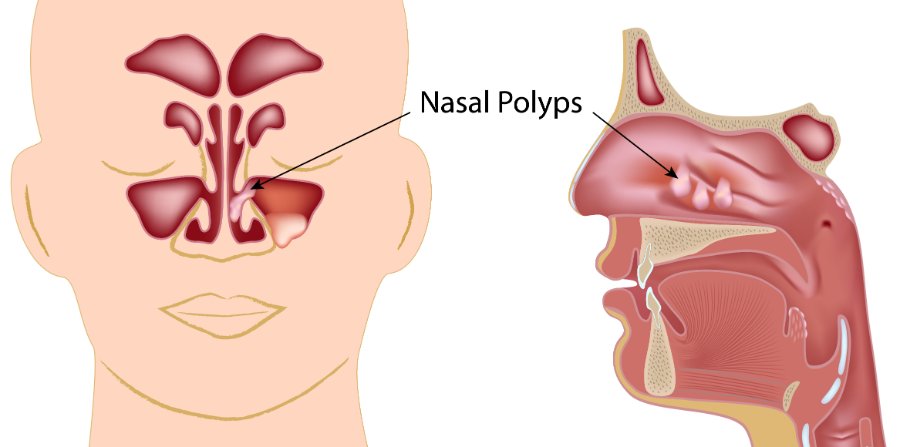
Nasal polyps are soft, noncancerous growths that develop in the lining of the nasal passages or sinuses. While they often arise from chronic inflammation, some polyps may contain precancerous changes—making accurate diagnosis and expert care essential. Patients with asthma, chronic rhinosinusitis, and a reduced sense of smell are more likely to develop nasal polyps and experience recurring symptoms that impact daily life.
Dr. Mostafa Ahmed, MD, FACS, a board-certified ENT surgeon serving Silver Spring, Gaithersburg, and the greater Washington DC area, specializes in diagnosing and surgically treating nasal polyps. He offers minimally invasive, patient-centered solutions for those who haven’t found relief with medications or nasal sprays.
Nasal polyps typically appear as soft, painless, teardrop-shaped swellings in the nasal passages or sinuses. Though benign, they can interfere with normal breathing, block sinus drainage, and reduce your sense of smell or taste. They are commonly associated with chronic rhinosinusitis and other inflammatory conditions affecting the upper airway.
These growths do not always cause symptoms at first. However, when polyps enlarge or multiply, they can obstruct airflow and contribute to repeated infections, facial pressure, or sleep disturbances. Not all nasal growths are polyps, which is why professional diagnosis is important.
Dr. Ahmed’s expertise helps ensure the right diagnosis and a clear treatment path tailored to your anatomy and medical history.
Symptoms vary depending on the size and number of polyps present, but common signs include:
While the precise cause of nasal polyps remains unclear, they are linked to prolonged inflammation of the nasal and sinus lining. This inflammation may stem from:
Dr. Ahmed begins with a thorough patient history and physical examination using nasal endoscopy. He may recommend imaging studies such as CT or MRI scans to assess the extent of inflammation and rule out more serious conditions.
Initial treatment often includes:
For patients who experience persistent or recurring symptoms despite medical therapy, Dr. Ahmed provides advanced surgical options designed to restore sinus drainage and remove obstructive polyps:
Polypectomy – This in-office or outpatient procedure removes accessible polyps with specialized tools under local or general anesthesia. It offers immediate relief from nasal obstruction and improves airflow.
Endoscopic Sinus Surgery – Recommended for more severe cases, this minimally invasive procedure uses a small camera (endoscope) and surgical instruments to remove polyps and enlarge the natural sinus drainage pathways. It improves long-term airflow and reduces the risk of recurrence.
Dr. Ahmed may also place Propel® dissolvable steroid stents during surgery to help reduce inflammation and promote healing during the early recovery phase.
Nasal polyps often require ongoing care even after surgery to prevent recurrence. Dr. Ahmed works closely with each patient to develop a long-term management plan that may include:
Dr. Mostafa Ahmed, MD, FACS, offers unmatched expertise in treating nasal polyps and chronic sinus inflammation. As a board-certified ENT surgeon with advanced military medical training, he combines surgical precision with compassionate, evidence-based care.
Dr. Ahmed has performed over 1,500 sinus and nasal procedures and previously served as Department Chief of Otolaryngology at Carl R. Darnall Army Medical Center and an attending surgeon at Walter Reed National Military Medical Center. His research in nasal device development and chronic sinus conditions ensures patients receive the most innovative treatment options available.
With convenient offices in Silver Spring and Gaithersburg, Dr. Ahmed helps patients across the DC metro area breathe easier, sleep better, and live more comfortably—starting with expert evaluation and long-term solutions for nasal polyps.
If you're struggling with nasal congestion, facial pressure, or a reduced sense of smell, nasal polyps may be the cause. Dr. Ahmed offers personalized, effective treatment options designed to restore your breathing and quality of life.
With extensive surgical experience and a patient-first approach, Dr. Ahmed is trusted by patients throughout the Washington DC metro area for nasal polyp removal and long-term care. Schedule your consultation at our Silver Spring or Gaithersburg office and take the first step toward breathing easier.

Gaithersburg Office
818 W. Diamond Ave, Ste. 120
Gaithersburg, MD 20878
Phone: (301) 963-6334
Fax: (301) 869-7204
Silver Spring Office
10801 Lockwood Drive, #360
Silver Spring, MD 20901
Phone: (301) 593-5200
Fax: (301) 593-7835
Send Us a Message
